Cách phòng ngừa và bảo trì vít bi
December 05, 2025
Là một bộ phận truyền động quan trọng để chuyển đổi chuyển động quay thành chuyển động tuyến tính, vít me bi đã trở thành "trái tim" của các thiết bị cao cấp như dụng cụ chính xác, máy công cụ CNC và thiết bị tự động hóa, trực tiếp quyết định độ chính xác và độ ổn định hoạt động của thiết bị, nhờ ba ưu điểm cốt lõi: "độ chính xác cao, hiệu suất cao và độ cứng vững cao".
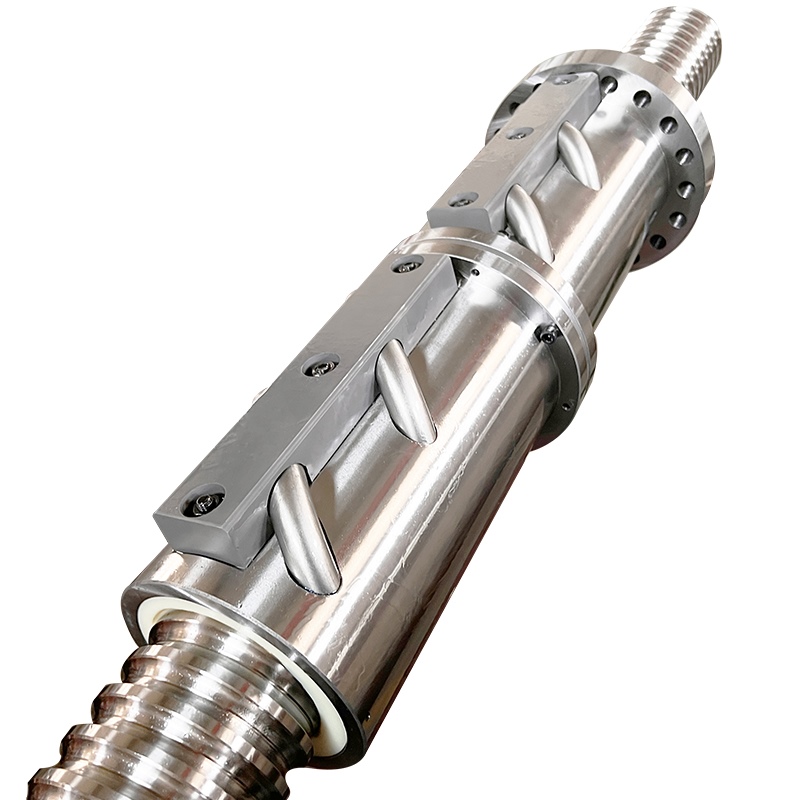
Tám điểm quan trọng cần lưu ý khi bảo trì hàng ngày
- Vệ sinh và bảo vệ: Thường xuyên làm sạch bề mặt trục vít bằng bàn chải hoặc khí nén để loại bỏ bụi và vụn kim loại, ngăn ngừa tạp chất xâm nhập vào rãnh dẫn; trong môi trường khắc nghiệt, hãy lắp đặt nắp che bụi và ống bảo vệ.
- Bôi trơn khoa học: Chọn chất bôi trơn phù hợp với điều kiện vận hành và bổ sung/thay dầu định kỳ theo thời gian vận hành để đảm bảo bôi trơn đồng đều rãnh lăn.
- Kiểm soát tải trọng: Tuân thủ nghiêm ngặt các yêu cầu tải trọng định mức, tránh quá tải tức thời hoặc tải trọng va đập để ngăn ngừa biến dạng trục vít.
- Lắp đặt chính xác: Đảm bảo trục vít song song và đồng trục với thanh dẫn hướng trong quá trình lắp đặt, và siết chặt các ổ bi.
- Khả năng thích ứng với môi trường: Tránh xa môi trường có nhiệt độ cao, độ ẩm cao và môi trường ăn mòn. Thực hiện các biện pháp cách nhiệt, chống ẩm và chống ăn mòn khi cần thiết.
- Kiểm tra định kỳ: Lập nhật ký vận hành, ghi lại những thay đổi về tiếng ồn, nhiệt độ và độ chính xác, và dừng máy để sửa chữa ngay lập tức nếu phát hiện bất kỳ sự bất thường nào.
- Bảo dưỡng trong thời gian không sử dụng: Khi không sử dụng trong thời gian dài, hãy bôi dầu chống gỉ và phủ bằng tấm bảo vệ để ngăn ngừa gỉ sét và bụi bẩn tích tụ.
- Bảo trì đồng bộ: Kiểm tra đồng thời các bộ phận ghép nối (ổ bi, ray dẫn hướng, động cơ truyền động) để đảm bảo hoạt động ổn định và đồng bộ của toàn bộ hệ thống truyền động.
Các kỹ thuật phòng ngừa và kiểm tra
- Kiểm tra bằng mắt thường: Kiểm tra bề mặt trục vít xem có vết xước, rỉ sét và vết lõm không; kiểm tra xem các ren có còn nguyên vẹn và không bị hư hại không.
- Kiểm tra độ bôi trơn: Quan sát sự phân bố đều của chất bôi trơn. Nếu màu chuyển sang đen hoặc độ nhớt giảm, hãy thay thế ngay lập tức.
- Kiểm tra độ trơn tru: Xoay trục vít bằng tay hoặc cho chạy không tải để kiểm tra xem có bị kẹt hoặc lực cản không đều hay không.
- Nhận diện tiếng ồn: Lắng nghe các âm thanh ma sát hoặc va đập bất thường trong quá trình hoạt động, đặc biệt chú ý đến khu vực ổ trục.
- Kiểm tra độ chính xác: Sử dụng đồng hồ đo độ lệch và máy đo giao thoa laser để kiểm tra độ chính xác và độ lặp lại của vị trí, so sánh với các giá trị tiêu chuẩn để xác định xem độ chính xác có đạt yêu cầu hay không. Vượt quá giới hạn cho phép;
- Đo khe hở: Sử dụng thước đo khe hở hoặc đồng hồ đo độ lệch để kiểm tra khe hở giữa trục vít và đai ốc. Nếu vượt quá giới hạn cho phép, cần phải thay thế bộ phận đó;
- Độ chặt của các mối nối: Kiểm tra các bu lông của vỏ ổ trục, khớp nối và vỏ đai ốc để tránh bị lỏng có thể gây ra rung động;
- Giám sát nhiệt độ: Sử dụng nhiệt kế để kiểm tra nhiệt độ của ổ trục và thân vít dẫn hướng sau khi vận hành. Nếu nhiệt độ vượt quá 60℃, cần phải kiểm tra các vấn đề về bôi trơn hoặc lắp đặt;
- Đánh giá độ sạch sẽ: Kiểm tra xem có vụn kim loại và dầu mỡ tích tụ xung quanh trục vít dẫn hướng hay không và làm sạch chúng ngay lập tức;
- Phát hiện khuyết tật ren: Đối với vít me dẫn hướng trong điều kiện vận hành khắc nghiệt, hãy sử dụng phương pháp kiểm tra bằng hạt từ tính hoặc kiểm tra bằng chất thẩm thấu để kiểm tra các hư hỏng ren ẩn.






 Hỗ trợ mạng IPv6

 ĐĂNG KÝ NHẬN BẢN TIN CỦA CHÚNG TÔI