Jan 07, 2026
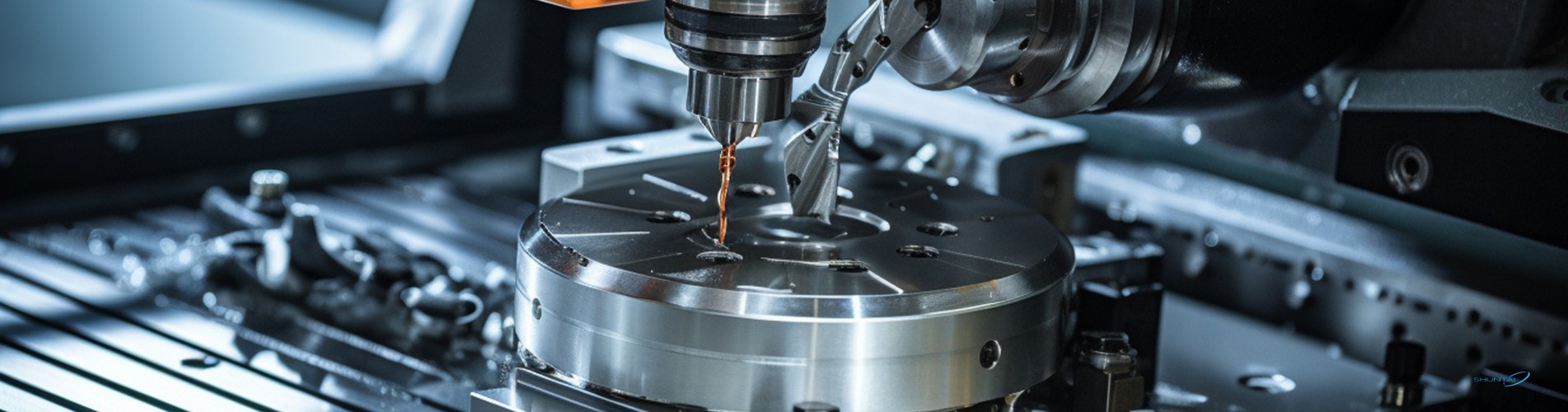
Trong các thiết bị cao cấp như hệ thống servo lấy nét nano cho máy khắc quang bán dẫn, chuỗi truyền động chính xác cho khớp robot công nghiệp và nền tảng lắp ráp tốc độ cao cho mô-đun pin xe năng lượng mới, Trục vít bi đóng vai trò là các bộ phận truyền động và thực thi cốt lõi. Đảm nhiệm các chức năng quan trọng về chuyển đổi chuyển động và điều khiển định vị. Từ máy công cụ CNC năm trục Từ các cơ cấu điều chỉnh tư thế trong ngành hàng không vũ trụ, từ thiết bị hình ảnh y tế chính xác đến các dây chuyền sản xuất thông minh cao cấp, tất cả các thiết bị cao cấp với yêu cầu khắt khe về độ chính xác truyền động, phản hồi động và độ tin cậy đều sử dụng vít bi làm giải pháp truyền động cốt lõi. Bài viết này phân tích một cách hệ thống các ưu điểm công nghệ cốt lõi của vít bi và tính phù hợp của chúng trong các thiết bị cao cấp, bắt đầu từ nguyên lý kỹ thuật và đặc điểm kỹ thuật của chúng.Lợi thế công nghệ cốt lõi của vít bi Điều này xuất phát từ nguyên lý truyền động cải tiến của chúng. So với cơ chế truyền động ma sát trượt tiếp xúc bề mặt của các vít trượt truyền thống, vít bi sử dụng cơ chế truyền động ma sát lăn: các viên bi có độ chính xác cao được nhúng làm môi trường truyền động trong vòng kín được tạo thành bởi rãnh xoắn của vít và rãnh của đai ốc, chuyển đổi sự trượt tương đối giữa vít và đai ốc thành chuyển động lăn của các viên bi. Dựa trên sự đổi mới trong nguyên lý ma sát lăn, vít bi chủ yếu sở hữu đặc tính truyền động hiệu quả cao. Xét về hiệu suất truyền động, hiệu suất truyền động cơ học η của vít bi có thể đạt 90%~98%, trong khi đó của vít trượt thông thường chỉ đạt 20%~40%. Theo phương trình cân bằng công suất, trong điều kiện tải trọng F không đổi và hành trình truyền động s không đổi, mômen xoắn M tỷ lệ nghịch với hiệu suất truyền động η. Do đó, việc sử dụng vít bi có thể giảm yêu cầu mômen xoắn đầu ra của động cơ dẫn động xuống còn chưa đến 1/3 so với vít trượt. Đặc tính này không chỉ cải thiện đáng kể hiệu quả sử dụng năng lượng mà quan trọng hơn, nó còn giảm công suất sinh nhiệt của hệ thống truyền động. Đối với thiết bị cao cấp, biến dạng nhiệt của hệ thống truyền động là một trong những nguồn lỗi cốt lõi ảnh hưởng đến độ chính xác định vị. Sinh nhiệt thấp có thể kiểm soát hiệu quả sự giãn nở nhiệt của vít, đảm bảo sự ổn định nhiệt độ của thiết bị trong quá trình hoạt động liên tục lâu dài, cung cấp sự đảm bảo cơ bản cho điều khiển chính xác cao.Hiệu suất định vị chính xác là chỉ số kỹ thuật cốt lõi để vít me bi thích ứng với các thiết bị cao cấp, và cũng là ưu điểm quan trọng phân biệt chúng với các linh kiện truyền động thông thường. Trong lĩnh vực sản xuất cao cấp, độ chính xác và độ lặp lại của định vị quyết định trực tiếp chất lượng gia công/vận hành của thiết bị. Ví dụ, yêu cầu về độ chính xác căn chỉnh wafer của máy khắc quang bán dẫn là ≤±5nm, và yêu cầu về độ chính xác định vị của máy năm trục. Máy công cụ CNC là ≤±1μm. Vít bi đảm bảo định vị chính xác thông qua ba công nghệ cốt lõi: thứ nhất, công nghệ mài rãnh xoắn ốc độ chính xác cao, sử dụng máy mài siêu chính xác để đạt được sai số biên dạng rãnh ≤0,001mm; thứ hai, công nghệ tải trước (chẳng hạn như điều chỉnh tải trước bằng vòng đệm đai ốc kép và điều chỉnh tải trước bằng ren xoắn đơn), loại bỏ độ rơ dọc trục và tạo ra sự can thiệp nhẹ để đạt được độ rơ bằng không trong truyền động ngược; và thứ ba, thiết kế tỏa nhiệt thấp, kết hợp với hệ thống điều khiển nhiệt độ để ngăn chặn biến dạng do nhiệt. Độ cứng cao và tuổi thọ dài là những đặc tính kỹ thuật cốt lõi cho phép vít me bi thích ứng với các điều kiện vận hành khắc nghiệt của thiết bị cao cấp. Hệ thống truyền động của thiết bị cao cấp thường phải đối mặt với các điều kiện khắc nghiệt như tải trọng nặng (ví dụ: lực kẹp trong máy ép phun điện hoàn toàn có thể lên đến hàng nghìn kN), khởi động/dừng tần số cao (ví dụ: tần số chuyển động khớp của robot công nghiệp ≥10Hz) và tải trọng va đập, đặt ra yêu cầu cực kỳ cao đối với độ cứng của các bộ phận truyền động. Vít biThông qua thiết kế tải trước, đạt được khe hở trục âm (lắp ghép kiểu ép). Bằng cách tận dụng biến dạng đàn hồi của các viên bi để tạo ra lực tải trước, độ cứng trục có thể tăng lên hơn ba lần. So với vít trượt, độ lệch dưới cùng một tải trọng có thể giảm hơn 60%, đảm bảo độ chính xác chuyển động ổn định trong điều kiện tải nặng. Xét về tuổi thọ, đặc tính mài mòn thấp của ma sát lăn giúp tuổi thọ mỏi của vít bi vượt trội hơn đáng kể so với vít trượt. Việc sử dụng các vật liệu chất lượng cao như... Thép ổ trục GCr15, kết hợp với quá trình thấm cacbon và tôi cứng (Độ cứng bề mặt HRC≥60), mài siêu chính xácVới hệ thống gioăng kín kiểu mê cung kết hợp bôi trơn bằng mỡ, sự mài mòn và xâm nhập tạp chất có thể được ngăn chặn hiệu quả. Theo mô hình tính toán tuổi thọ của tiêu chuẩn ISO 3408, dưới tải trọng động định mức, tuổi thọ định mức (L10) của vít bi có thể đạt hàng triệu chu kỳ, gấp 5 đến 10 lần so với vít trượt thông thường. Dữ liệu thử nghiệm kỹ thuật cho thấy rằng vít bi với các thông số tải trước được tối ưu hóa có thể kéo dài tuổi thọ hoạt động liên tục từ 30.000 giờ lên 50.000 giờ dưới tải trọng định mức 80%, giảm đáng kể thời gian ngừng hoạt động để bảo trì và chi phí thay thế phụ tùng cho thiết bị cao cấp, đồng thời nâng cao hiệu quả tổng thể của thiết bị (OEE).Khả năng phản hồi nhanh và tính linh hoạt cao là những đặc điểm quan trọng của vít bi đáp ứng yêu cầu điều khiển động của thiết bị cao cấp. Về hiệu suất tốc độ cao, giá trị DN (đường kính trục d × tốc độ n) của vít bi có thể vượt quá 140.000, vượt xa giới hạn trên của giá trị DN đối với vít trượt (≤50.000). Kết hợp với cấu trúc tuần hoàn bi tốc độ cao (như loại đảo chiều tuần hoàn bên trong), có thể đạt được truyền động tốc độ cao với tốc độ tối đa ≥3000 vòng/phút. Trong hệ thống điều khiển servo, hiệu ứng hiệp đồng của hệ số ma sát thấp và độ cứng cao có thể rút ngắn thời gian phản hồi bước của hệ thống xuống mức mili giây, cải thiện độ chính xác theo dõi động. Trong các ứng dụng kỹ thuật, thiết bị hàn cho bộ pin xe điện sử dụng vít bi trọng lượng nhẹ (đai ốc composite sợi carbon) và công nghệ bù tải trước động, giảm thời gian tăng tốc từ 0,2 giây xuống 0,08 giây, tăng thời gian chu kỳ dây chuyền sản xuất lên 50% và nâng cao năng lực hàng ngày từ 1200 bộ lên 1800 bộ. Các khớp của robot hình người sử dụng vít bi có bước ren nhỏ, độ chính xác cao, đạt vận tốc góc 1,5 rad/s và độ lặp lại 0,01° dưới tải trọng 20kg, đáp ứng các yêu cầu điều khiển cộng tác đa bậc tự do. Tính linh hoạt trong thiết kế cấu trúc cho phép vít me bi thích ứng với điều kiện lắp đặt và vận hành của nhiều thiết bị cao cấp khác nhau. Phân loại theo phương pháp tuần hoàn bi, tuần hoàn ngoài (kiểu lắp ghép, kiểu chụp đầu) phù hợp với các trường hợp cần bước ren lớn và tốc độ cao, trong khi tuần hoàn trong (kiểu đảo chiều) có ưu điểm là cấu trúc nhỏ gọn và hoạt động ổn định, có thể thích ứng với không gian lắp đặt hẹp. Về vật liệu và xử lý bề mặt, thép không gỉ (SUS440C) với lớp phủ crom cứng có thể được sử dụng trong điều kiện ăn mòn, hợp kim Inconel với lớp phủ nhôm nitrua có thể được sử dụng trong điều kiện nhiệt độ cao, và đai ốc composite gia cường sợi carbon có thể được sử dụng cho các yêu cầu về trọng lượng nhẹ, giảm trọng lượng hơn 50% so với đai ốc thép. Hơn nữa, bằng cách tùy chỉnh bước ren (ví dụ: bước ren siêu nhỏ ≤1mm, bước ren lớn ≥20mm), hướng ren (trái, phải, hai chiều) và phương pháp lắp đặt (cố định-cố định, cố định-nổi), có thể đạt được sự thích ứng chính xác với hệ thống truyền động của thiết bị cao cấp, nâng cao hiệu quả tích hợp hệ thống. Với sự phát triển của công nghệ sản xuất thông minh, vít me bi đang dần trở nên tích hợp và thông minh hơn, trở thành một thành phần cốt lõi của hệ thống truyền động thông minh. Bằng cách tích hợp các cảm biến nhiệt độ, rung động và dịch chuyển, dữ liệu như nhiệt độ, biên độ rung và sai số định vị trong quá trình truyền động có thể được thu thập theo thời gian thực. Kết hợp với nền tảng internet công nghiệp, điều này cho phép giám sát trạng thái và cảnh báo sớm lỗi. Công nghệ bù tải trước động dựa trên thuật toán AI có thể hiệu chỉnh các sai lệch độ chính xác do biến dạng nhiệt và mài mòn gây ra theo thời gian thực, từ đó nâng cao hơn nữa sự ổn định của độ chính xác truyền động. Về những đột phá trong công nghệ trong nước, vít me bi sản xuất trong nước đã đạt được sản xuất hàng loạt với độ chính xác cấp C0. Thông qua việc áp dụng các quy trình mài siêu chính xác và công thức vật liệu do nước này tự phát triển, chúng đã thành công thâm nhập vào chuỗi cung ứng của các nhà sản xuất máy công cụ cao cấp quốc tế như AgieCharmilles (Thụy Sĩ) và DMG MORI (Đức), cung cấp hỗ trợ thành phần truyền động cốt lõi cho quá trình chuyển đổi cao cấp của ngành sản xuất Trung Quốc. Tóm lại, ưu điểm công nghệ của vít me bi xuất phát từ sự đổi mới cơ bản trong nguyên lý truyền động ma sát lăn. Thông qua sự phối hợp của... độ chính xác cao Thiết kế kết cấu, quy trình vật liệu tối ưu hóa và công nghệ điều khiển thông minh, đạt được sự cân bằng hiệu suất đa chiều giữa truyền động hiệu quả cao, định vị chính xác, độ cứng cao, tuổi thọ dài và khả năng thích ứng linh hoạt, đáp ứng chính xác các yêu cầu khắt khe của thiết bị cao cấp cho hệ thống truyền động.
ĐỌC THÊM





 Hỗ trợ mạng IPv6

 ĐĂNG KÝ NHẬN BẢN TIN CỦA CHÚNG TÔI